A Novice's Trip Into the World of Pet Training: Secret Insights and Approaches
A newbie's trip into canine training usually discloses an intricate interaction of recognizing canine actions and effective interaction methods. New trainers quickly uncover the value of favorable support and the need for uniformity in their technique. As they navigate with important commands and socializing, challenges might develop. These experiences can examine their perseverance, yet they additionally present opportunities for development. What understandings will become they face common challenges and develop a more powerful bond with their pet dogs?
Comprehending Your Dog's Actions
How can a pet dog's behavior reveal its psychological state? Understanding canine behavior is necessary for efficient training and developing a solid bond. Dogs communicate via body language, vocalizations, and actions, each offering understanding right into their sensations. A wagging tail commonly indicates happiness, while a reduced tail may signify concern or entry.
Likewise, a dog that barks excessively could be revealing anxiety or exhilaration, while a loosened up pose recommends convenience and satisfaction. Observing these actions assists owners react properly, fostering a supportive atmosphere. Furthermore, behaviors such as pacing or too much licking can suggest tension or discomfort, signaling a requirement for intervention.
Acknowledging these psychological hints enables pet proprietors to customize their training strategies, guaranteeing that they resolve their dog's details demands. By recognizing their emotions, owners can nurture a trusting partnership, ultimately leading to even more effective training end results.
Important Training Tools and Tools
A selection of essential training devices and tools can significantly enhance the pet training experience. Beginners frequently find that a well-fitted collar or harness is important for ensuring both convenience and control throughout training sessions. Leashes, ideally 4 to 6 feet long, give the needed guidance while permitting freedom of movement. Clickers offer as effective tools for noting desired habits, facilitating more clear interaction between the fitness instructor and the pet.
In addition, deal with pouches can improve the process of fulfilling etiquette, keeping treats available. Educating floor coverings or marked spaces help establish boundaries, motivating focus throughout lessons. Toys that advertise involvement, like yank playthings or bring rounds, can additionally be employed to strengthen training purposes. Generally, picking the ideal tools not only aids in effective training however also cultivates a positive setting, making the training trip pleasurable for both the fitness instructor and the dog.
Positive Reinforcement Techniques
Positive reinforcement methods are commonly recognized as effective approaches for encouraging wanted habits in canines. These techniques include rewarding a pet dog for specific actions, strengthening the probability of those activities being repeated. Typical incentives include treats, praise, or play, all of which offer to encourage the canine positively. Timing is essential; rewards must be given promptly after the preferred behavior to develop a solid association.
Uniformity is also crucial; using the same signs and rewards aids the canine understand what is expected. In addition, varying the rewards can keep a dog's interest and enthusiasm throughout training sessions. Positive support not just boosts obedience yet additionally cultivates a trusting bond in between the canine and the fitness instructor. This approach contrasts greatly with punishing methods, promoting a much more pleasurable and productive training experience. On the whole, favorable reinforcement acts as a foundational element in effective pet training methods.
Fundamental Commands Every Dog Need To Know
Fundamental commands develop the backbone of reliable interaction in between a pet and its proprietor. Mastering standard commands such as "sit," "stay," "come," "down," and "leave it" is essential for developing a mannerly pet (Dog Training Near Me). These commands not just ensure safety however also foster manners in different scenarios
The command "sit" works as a fundamental foundation, advertising patience and emphasis. "Stay" strengthens self-discipline, enabling dogs to stay fixed up until offered further guidelines. "Come" is essential for recall, seeing to it pet dogs return quickly when called. The "down" command aids in calming an ecstatic dog, while "leave it" shows them to ignore disturbances, improving their safety and security in everyday atmospheres.
Educating these commands through favorable support, such as treats and appreciation, encourages pets to discover and respond willingly. Consistent method and persistence are fundamental, leading the way for a harmonious partnership in between the pet dog and its proprietor.
Socialization: The Secret to a Well-Adjusted Pet dog
Socializing is vital for establishing a well-adjusted pet dog, as it stresses the importance of early direct exposure to numerous settings and experiences. Utilizing positive interaction methods can substantially improve a pet dog's ability to adapt and prosper in various social setups. Identifying the indications of effective socializing is crucial for proprietors to assess their dog's progress and overall well-being.
Relevance of Very Early Direct Exposure
When pups are revealed to a selection of individuals, settings, and experiences throughout their developmental months, they are more probable to turn into well-adjusted grown-up pet dogs. Very early direct exposure is crucial as it assists puppies learn to browse various circumstances, decreasing concern and stress and anxiety in novel situations. Socialization cultivates confidence, allowing dogs to connect favorably with various other animals and humans. The lack of such experiences can cause behavioral concerns, such as hostility or excessive shyness. By presenting puppies to numerous stimuli-- like audios, settings, and social experiences-- owners can greatly influence their future character and versatility. Prioritizing very early exposure plays a crucial role in forming a canine's actions, guaranteeing they grow into well balanced and sociable buddies.
Favorable Interaction Strategies
A range of positive interaction strategies can significantly boost a dog's socialization procedure, leading to a well-adjusted companion. Engaging in regular, positive reinforcement approaches helps canines link brand-new experiences with fulfilling outcomes. Methods such as remote control training, deals with, and verbal praise motivate wanted behaviors and promote self-confidence. Structured playdates with other canines supply essential social skills, while exposure to varied settings, sounds, and people promotes flexibility. Proprietors should also practice persistence and stay tranquil, as a relaxed behavior can aid reduce a canine's stress and anxiety throughout socializing. Routine training sessions that include fun and pleasurable activities enhance the bond between the owner and the pet dog, producing a foundation for a trusting connection. These interactions are vital for establishing an all-round canine buddy.
Indications of Successful Socializing
Just how can one determine a well-socialized pet dog? A well-socialized pet dog displays calmness and confidence in numerous settings and around various individuals and pets. It reacts positively to new experiences, revealing inquisitiveness instead than concern. When satisfying various other pet dogs, a well-socialized canine takes part in play or remains loosened up, staying clear of hostility or extreme anxiety. In addition, such a pet demonstrates great manners, reacting to commands and add diverse scenarios. Indications of successful socializing likewise include versatility; the canine can adjust its actions whether in your home, in public spaces, or throughout traveling. Generally, a well-socialized canine embodies convenience, balance, and sociability, showing the investment in appropriate training and exposure throughout its find more information developmental stages.
Typical Training Challenges and Solutions
Leash Pulling Solutions
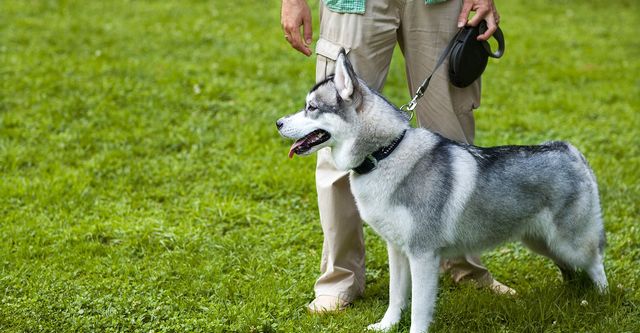
Many pet dog proprietors deal with the challenge of chain pulling, a common actions that can make walks uncontrollable and frustrating. To resolve this problem, trainers usually suggest several reliable techniques. Making use of a front-clip harness can decrease pulling by rerouting the pet's interest. Second, educating the "heel" command motivates the dog to stroll calmly next to the owner. When the dog continues to be at the proprietor's side can reinforce this habits, regular reinforcement with deals with or commend. Furthermore, quiting and standing still whenever the pet pulls can educate them that moving ahead just happens when they are walking pleasantly. Through persistence and consistency, family pet proprietors can transform walks right into enjoyable experiences for both themselves and their pet dogs.
Too Much Barking Management
Extreme barking can become a considerable obstacle for pet owners, commonly leading to irritation and stretched relationships with neighbors. Understanding the underlying reasons for barking is necessary; pets may bark out of boredom, stress and anxiety, or a demand for attention. To resolve this issue, owners should first determine triggers and give psychological stimulation with interactive playthings and normal workout. Regular training commands, such as "silent," can aid enhance desired behavior. Positive reinforcement, consisting of deals with and appreciation, can motivate pet dogs to stay tranquil. Furthermore, producing a structured setting with marked silent times can be beneficial. In more severe cases, speaking with an expert canine trainer or behaviorist may be required to develop a tailored strategy to taking care of too much barking successfully.
Jumping Behavior Correction
While it might seem capitivating when a dog raises to welcome people, this behavior can quickly come to be troublesome, particularly when it is too much or unwanted. Several pet dog owners run into obstacles with jumping, often leading to scraped clothes or surprised guests. To remedy this habits, consistent training is essential. One reliable technique involves showing the dog an alternative habits, such as sitting when welcoming someone. Support, through deals with or appreciation, motivates the wanted action. In addition, owners need to prevent regarding when the pet leaps; instead, they need to wait on tranquil behavior prior to involving. Persistence and uniformity are important, as leaping habits may take some time to lessen, however with correct techniques, it can be effectively taken care of.
The Significance of Uniformity and Patience
Consistency and perseverance are fundamental virtues in the domain of pet training. Effective training relies upon the constant application of techniques and commands, making certain that the dog comprehends assumptions. Irregular cues can result in complication, preventing the finding out process. For instance, if a fitness instructor permits an actions you can find out more someday and dissuades it the next, the pet might come to be unsure of what is acceptable.
Persistence matches consistency, as discovering takes some time. Pet dogs do not comprehend actions or commands instantaneously; repetition and support are vital. A fitness instructor needs to stay dedicated and calm, recognizing that problems are part of the journey. Disappointment can result in negative interactions, impeding progression.
Via constant reinforcement and the willingness to be patient, instructors cultivate a trusting relationship with their dogs. This bond not just aids in communication yet additionally improves the overall training experience, bring about a mannerly buddy.
Frequently Asked Inquiries
The length of time Does It Commonly Require To Train a Dog?
The period for training a pet dog varies substantially, generally varying from weeks to a number of months. Aspects influencing this timeline consist of the dog's age, breed, previous experiences, and the consistency of the training techniques employed.
Can I Train an Older Pet Dog Effectively?
Training an older canine is indeed efficient, though it might require persistence and uniformity. Older canines can find out new commands and habits; nonetheless, their previous experiences and habits must be considered during the training procedure.
What Are Some Indicators My Canine Is Worried Throughout Educating?
Should I Use Remote Control Training for All Pets?
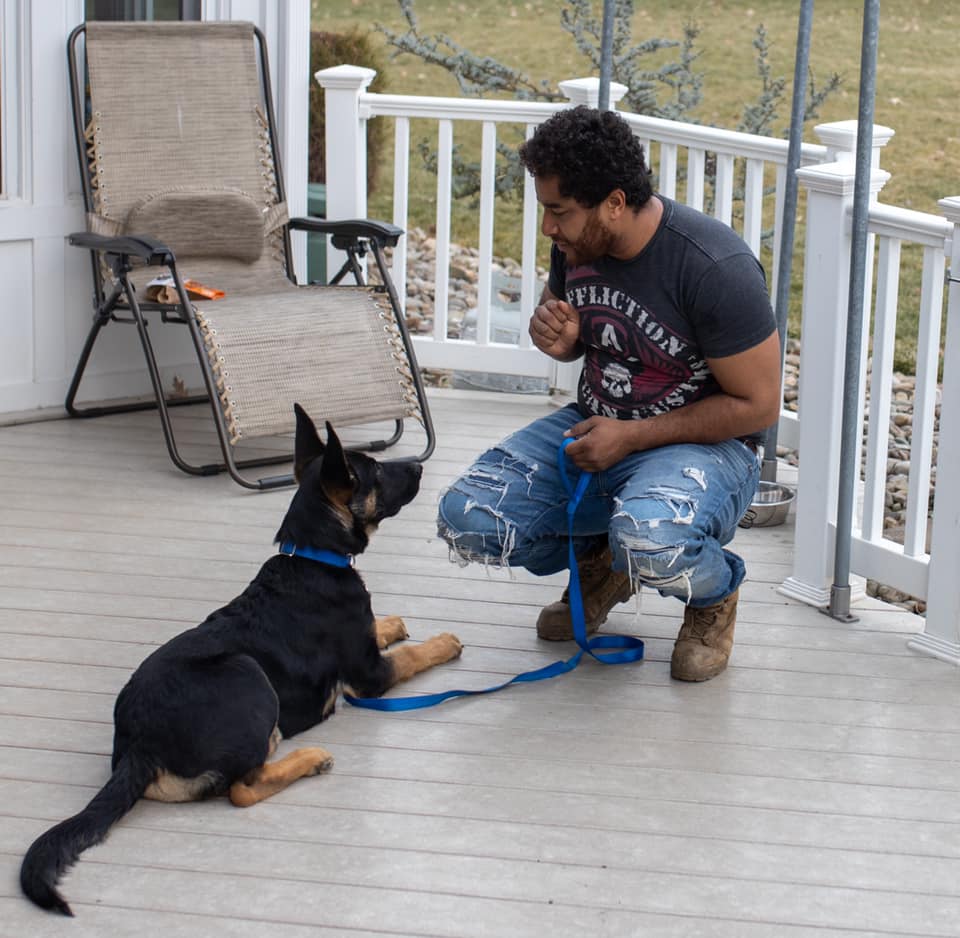
The efficiency of clicker training varies amongst dogs. Some react well due to favorable reinforcement, while others might not engage. Observing each pet dog's behavior and preferences is important for establishing find out this here the most effective training approach.
Exactly how Do I Take Care Of Diversions Throughout Training Procedure?
Handling diversions throughout training sessions needs perseverance and consistency. Gradually introduce disturbances, reward emphasis, and maintain sessions short. Creating a controlled setting helps pet dogs learn to concentrate, improving their capacity to follow commands in the middle of disturbances.
A beginner's journey right into pet dog training typically reveals an intricate interaction of recognizing canine habits and efficient communication methods. A range of essential training tools and devices can markedly enhance the canine training experience. Furthermore, differing the incentives can keep a dog's interest and enthusiasm during training sessions. When satisfying other pet dogs, a well-socialized pet dog involves in play or stays loosened up, staying clear of aggressiveness or too much anxiety. Indications of a worried pet throughout training consist of too much panting, salivating, a put tail, avoidance habits, or a lack of focus.
Comments on “How Dog Training Near Me Enhances Socialization with Other Pets”